Simojo(下條):Shimojo(下條)derives from a surname of a feudal lord who governed this area from the middle of the 14th century to the end of 16th century.
The Shimojo family invited many cultural figures from Kyoto during their reign. For example, shrine carpenters, Buddhist sculptors, and dance performers. Obviously, they brought the dawn of culture to this region. Although the Shimojo family was expelled at the end of the civil war period (16th century), the people in their territory enjoyed stable lifestyles and maintained their high level of culture. The fact they chose Shimojo for their village name reflects their inherited respect for the clan.
Thus the refined art culture deeply nurtured the people’s lives. Even today, many of them are story lovers. Surprisingly, there are around 90 original charming folk tales and legends passed down from generation to generation within this small village.
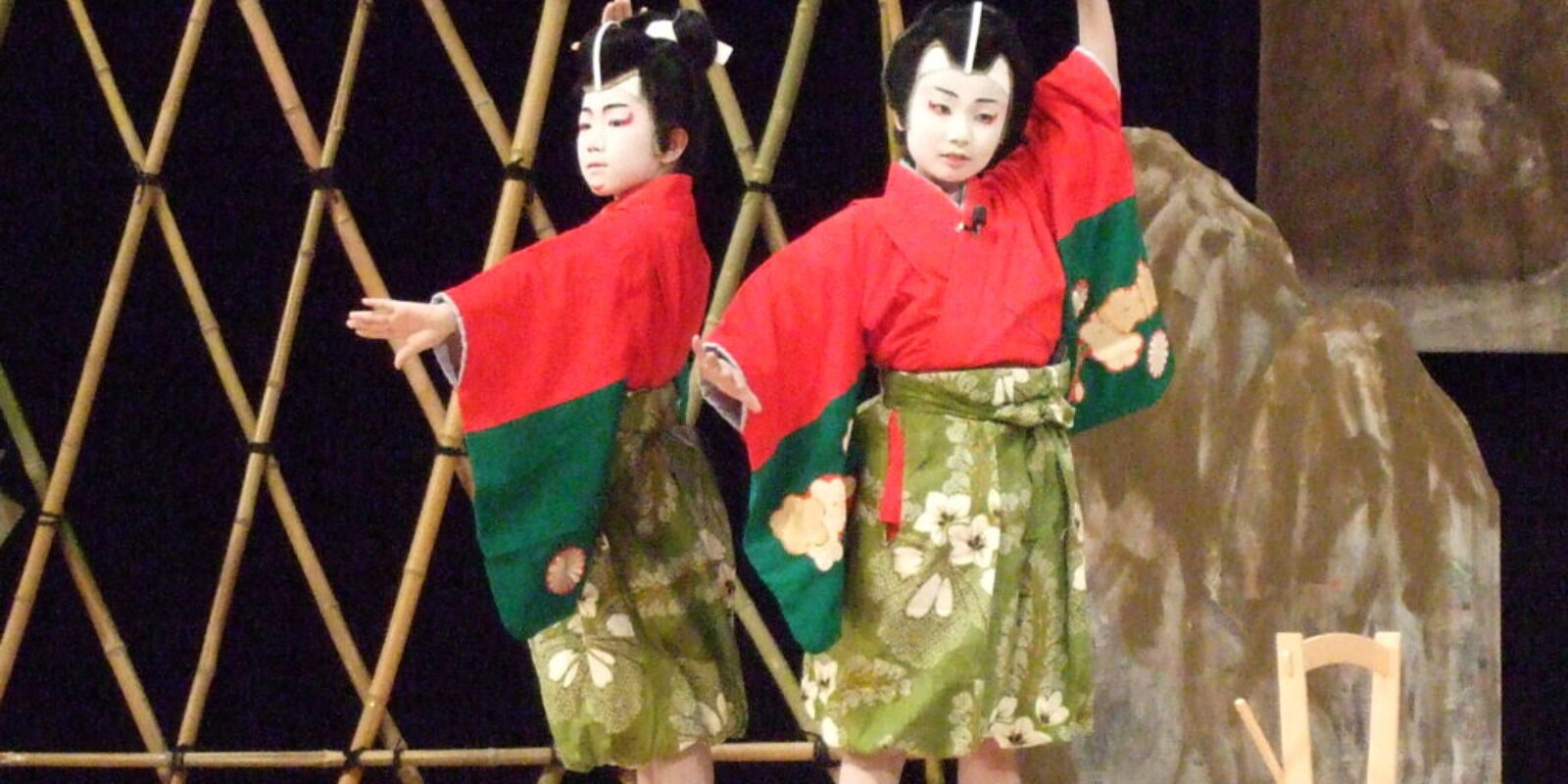
At the same time, people in Shimojo village are good story tellers. They love to express themselves with their whole body. Probably, this is one of the reasons why they have passed down Kabuki, one of the most popular Japanese performing arts for over 300 years in this area.
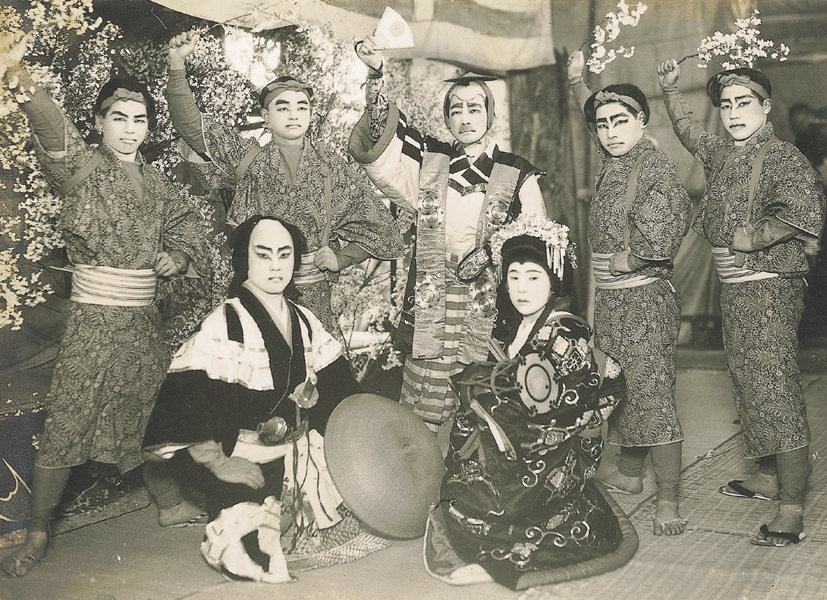
Shimojo Kabuki
The word of Kabuki(歌舞伎) consists of three Kanji (Chinese characters):歌(ka) which means singing, 舞(bu) which means dancing and 伎(ki) which means skill or technic. As its name shows, Kabuki performance is made of three main components: dancing, singing and acting. Soon after its birth at the beginning of the 17th century in Kyoto, Kabuki became […]

Kabuki Makeup
It is often said that make-up gives you another personality. Even daily make-up makes you cheerful, gentle, intelligent, elegant etc. Let alone Kabuki make-up.Kabuki makeup has several standard styles, each of which indicate the character’s personality and status. Therefore, the audience can grasp the basic characteristics of the characters only from their makeup. This protocol […]
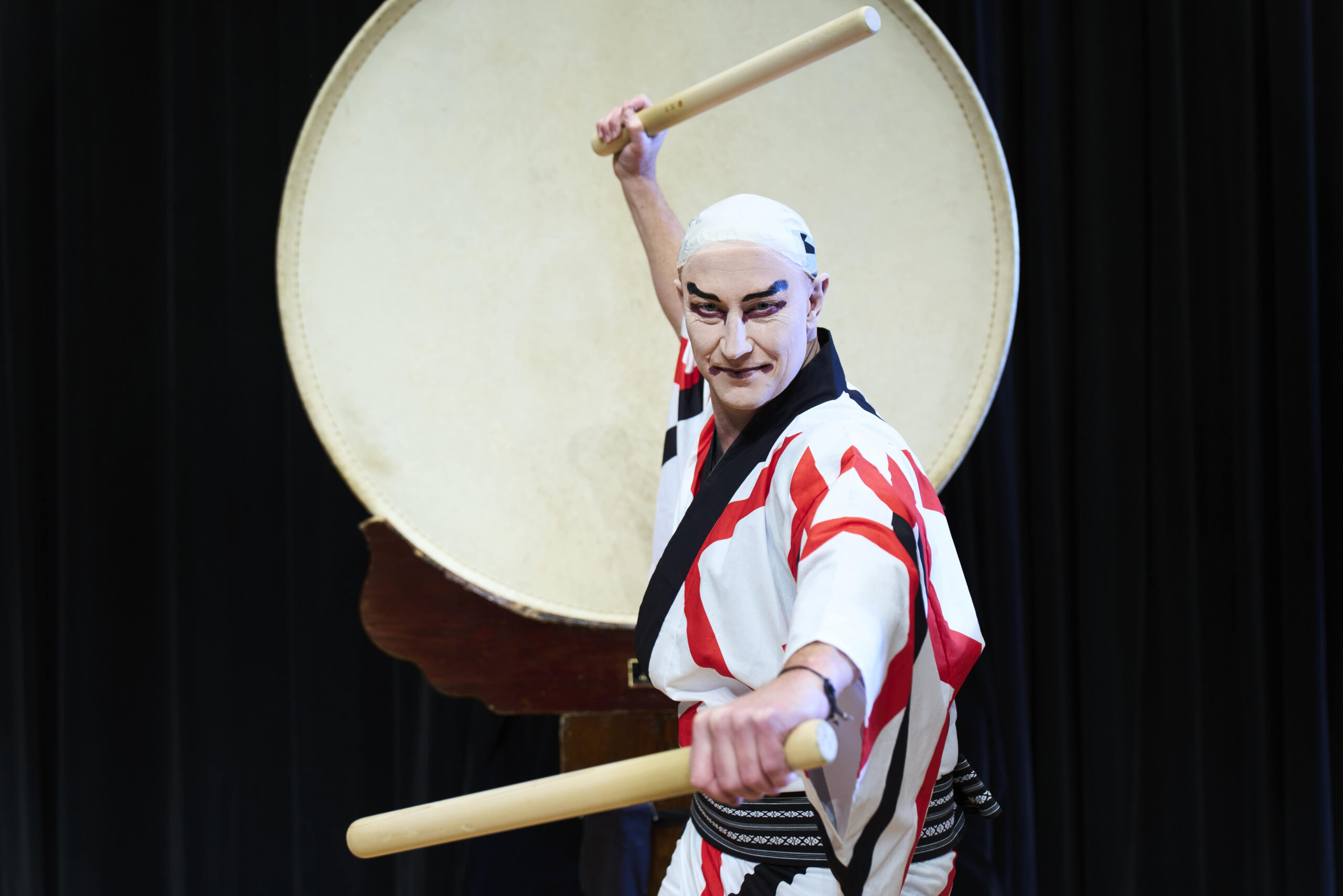
Wadaiko with Kabuki makeup
The Japanese drum (Wadaiko) is a very important music instrument which has been used in Shinto and Buddhism rituals, festivals and ceremonies.Initially, it served as a tool for transforming information. Later, in the medieval period (10-14th period) when ritual music and dance associated with rice planting became popular, it was used to keep the rhythm […]