Anan(阿南): According to the most supported theory, A (阿)derives from Achi river(阿智川)and Nan(南)means south.
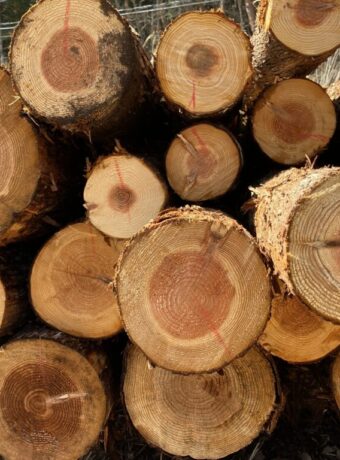
As this name shows, the word Anan signifies the southern part of Achi river Achi river which was widely used to transport timbers during the Edo period (17-19th century).
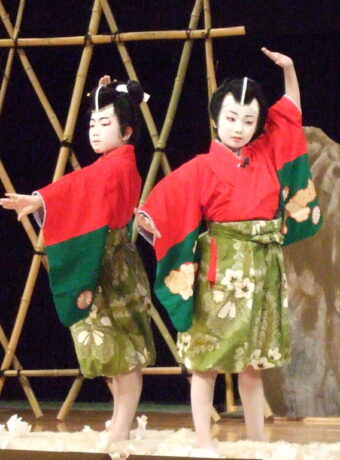
Speaking of Anan, you cannot forget ancient festivals. Among them, the most impressive is the Snow festival in Niino which is held in the middle of January. Look at the above picture which shooted one of the climax parts of the festival.
But why a snow festival? Does the snow cover this district every year? The answer is No. Unlike Sapporo which is famous for another Snow festival, it does not snow heavily in the southern part of Nagano (MInami-shinshu). Then, why is it a Snow festival? Because snow has been an auspicious sign of good harvest in this district. Therefore people have called this festival the Snow festival and held it with the sacred prayer.
Starting from the middle of the 13th century, it is one of the most important origins of traditional performing arts such as Noh and Kyogen and it provides profound insights for those who study ancient performing arts.
What is noteworthy is that the festival combines Shinto and Buddhist traditions. It’s a picture scroll of Japanese performing arts throughout the night, including Kagura and Sarugaku. Both of them are generally performed separately in our times.
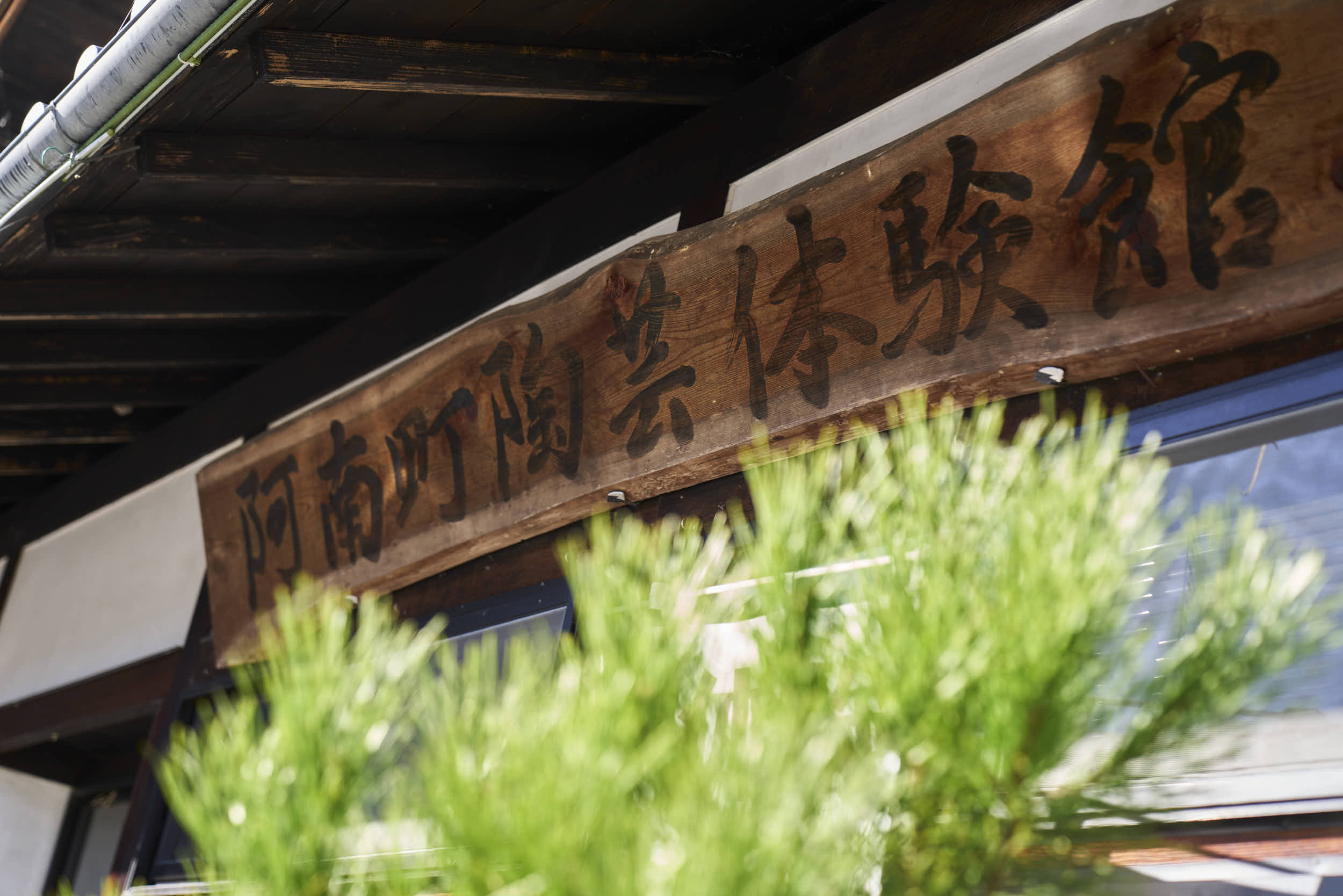
Pottery making (Anan-yaki)
Since the northern part of Anan town called Tomikusa was seabed several thousand years ago, many fossils have been collected, including Megalodon in whose opened mouth an adult can stand without leaning forward. Incidentally, Megalodon is the ancestor of the Great white shark, the model of the famous movie character “Jaws“.Thus the soil of this […]
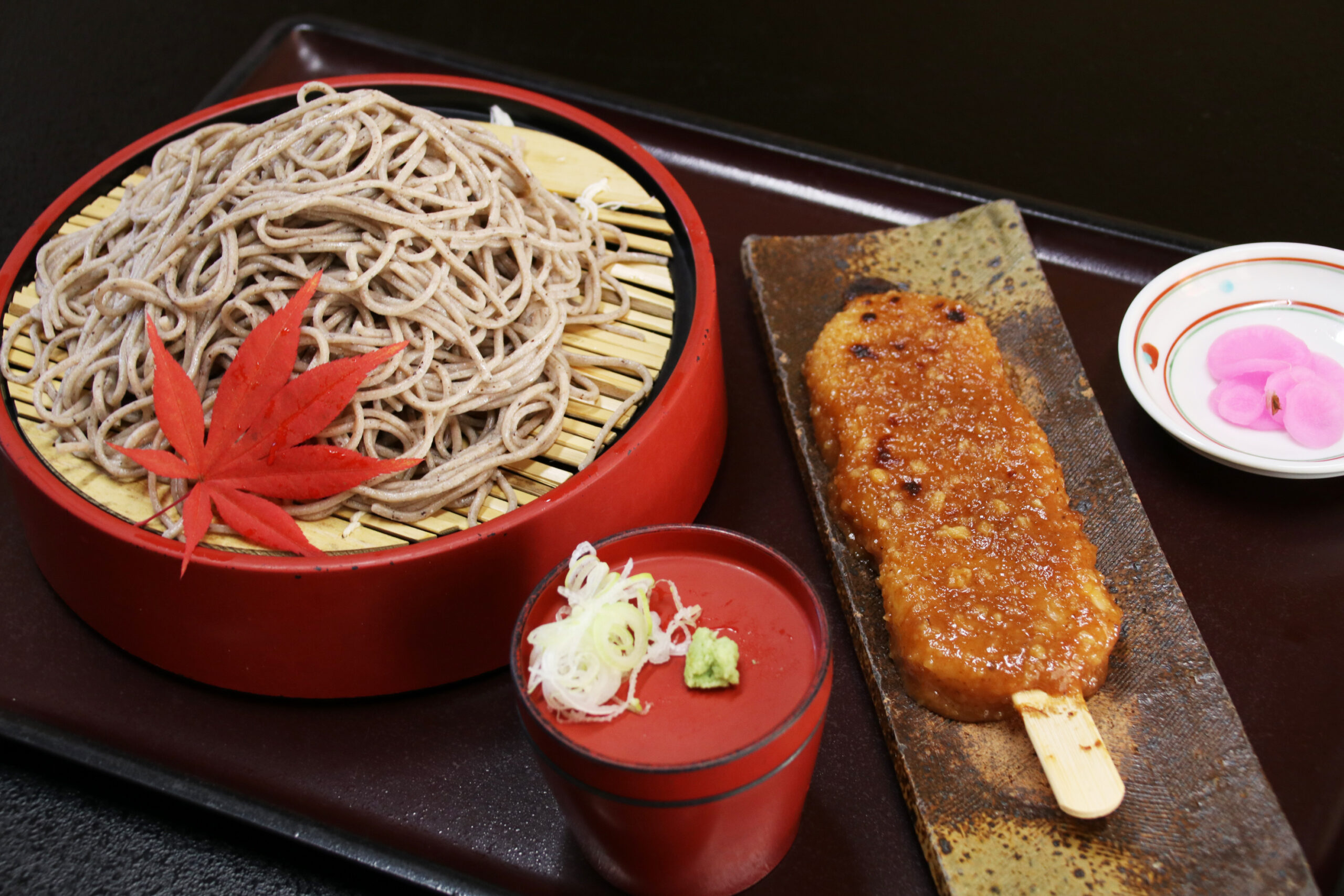
Soba and Gohei Mochi Lunch
SobaSoba, which is Japanese traditional noodles made from buckwheat flour, is a representative local dish of Nagano Prefecture. Because the cool climate of the highlands, where rice and wheat are difficult to grow, is ideal to cultivate Soba. In the cool, frost-sensitive highlands around 700 meters above sea level, the mist gently protects soba and […]