Yasuoka(泰阜):泰阜 derives from a Chinese poem ”泰山丘阜”. According to this poem, Yasu(泰)means to open a waterway with one’s own hands and oka (阜)signifies abundance or prosperity.
The first thing to be mentioned in this area is that there exist many ruins dating back to as early as the Jomon period (14,000-10,000 BC) . Undoubtedly, this area has been rich in natural resources and ensured an agreeable life since ancient times.
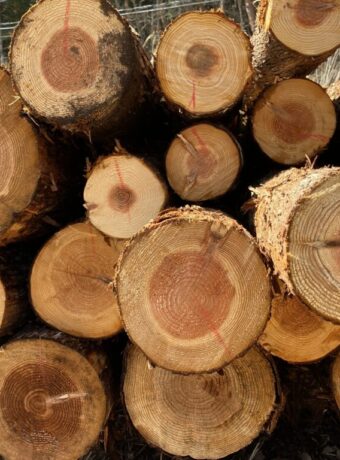
Later, during the Edo period (17-19th century), the village enjoyed stable prosperity as a territory directly governed by the Tokugawa Shogunate. In those days, people usually paid tax in the style of rice. Because rice had served as money for quite a long time, that is to say, until the end of the 19th century in Japan. But people in the Yasuoka village offered quality timbers instead of rice. Incidentally, after paying all the tax, they held a big festival with a feast cooked with Yuzu called Yubeshi, together with sake.
After the Meiji restoration in the 19th century, sericulture became popular in Yasuoka (as is often the case in Nagano prefecture) and the village enjoyed great prosperity brought by the Japanese silk boom in Europe.
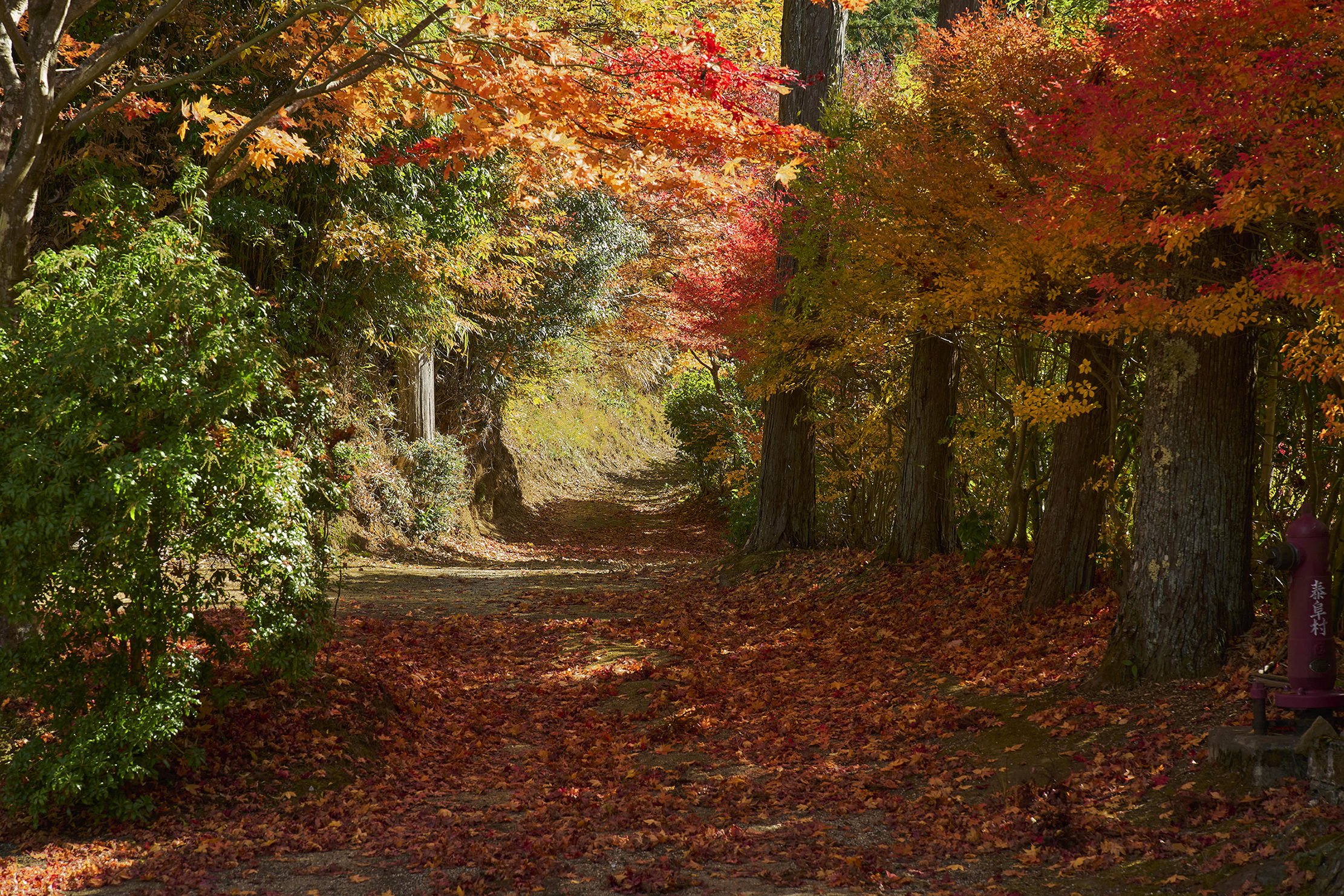
Cultural stroll
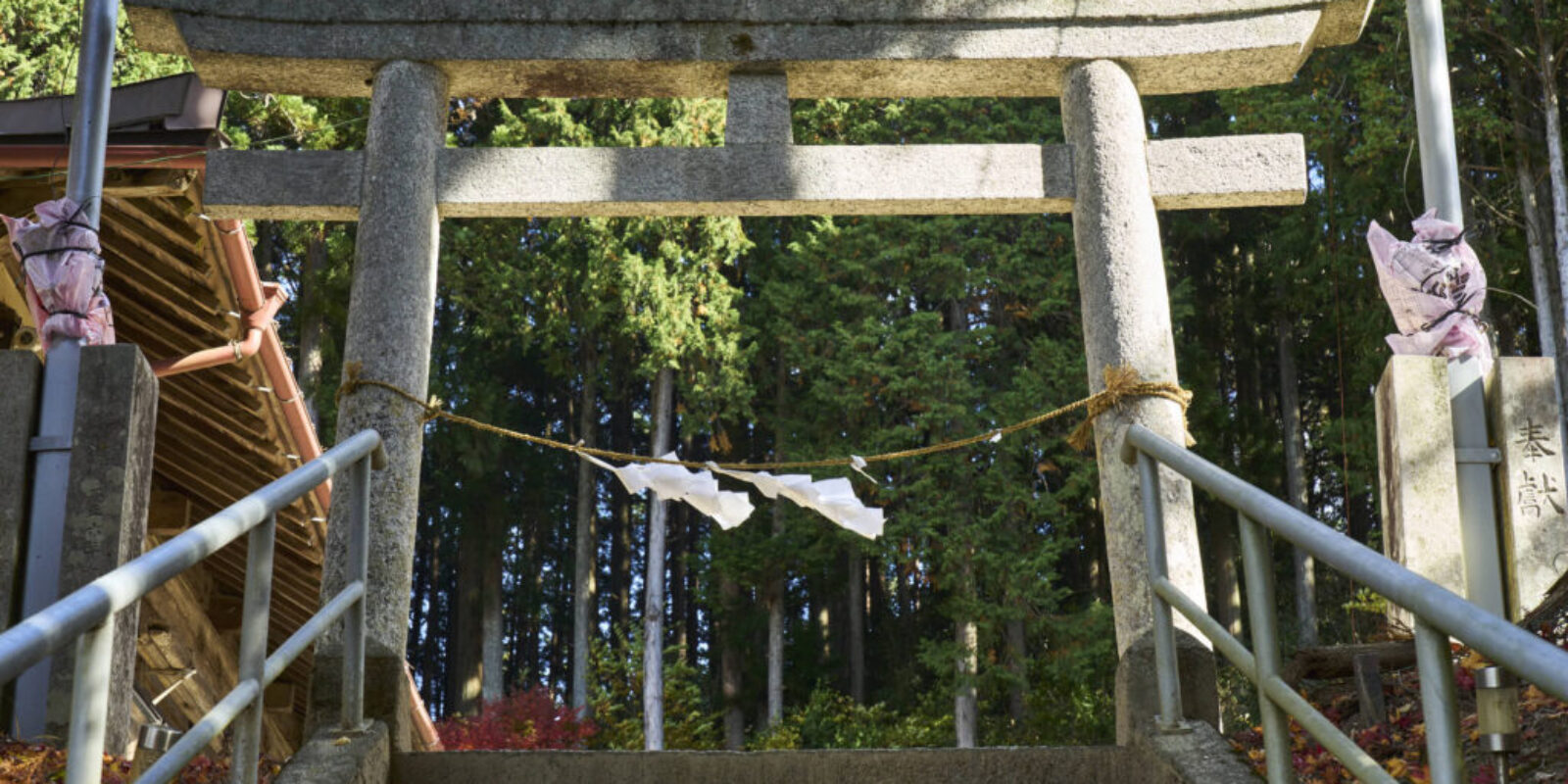
Let’s enjoy a cultural stroll in Yasuoka.You will be embraced by the mythical, but still refreshing atmosphere and become a part of untouched Japanese paysage.Here I introduce you two special places. The first one is Kin-no-suwa Shinto shirine (金野諏訪社) which honourably include some Important cultural properties. Then, next is Karakasa Station (唐笠駅) where both impressive […]
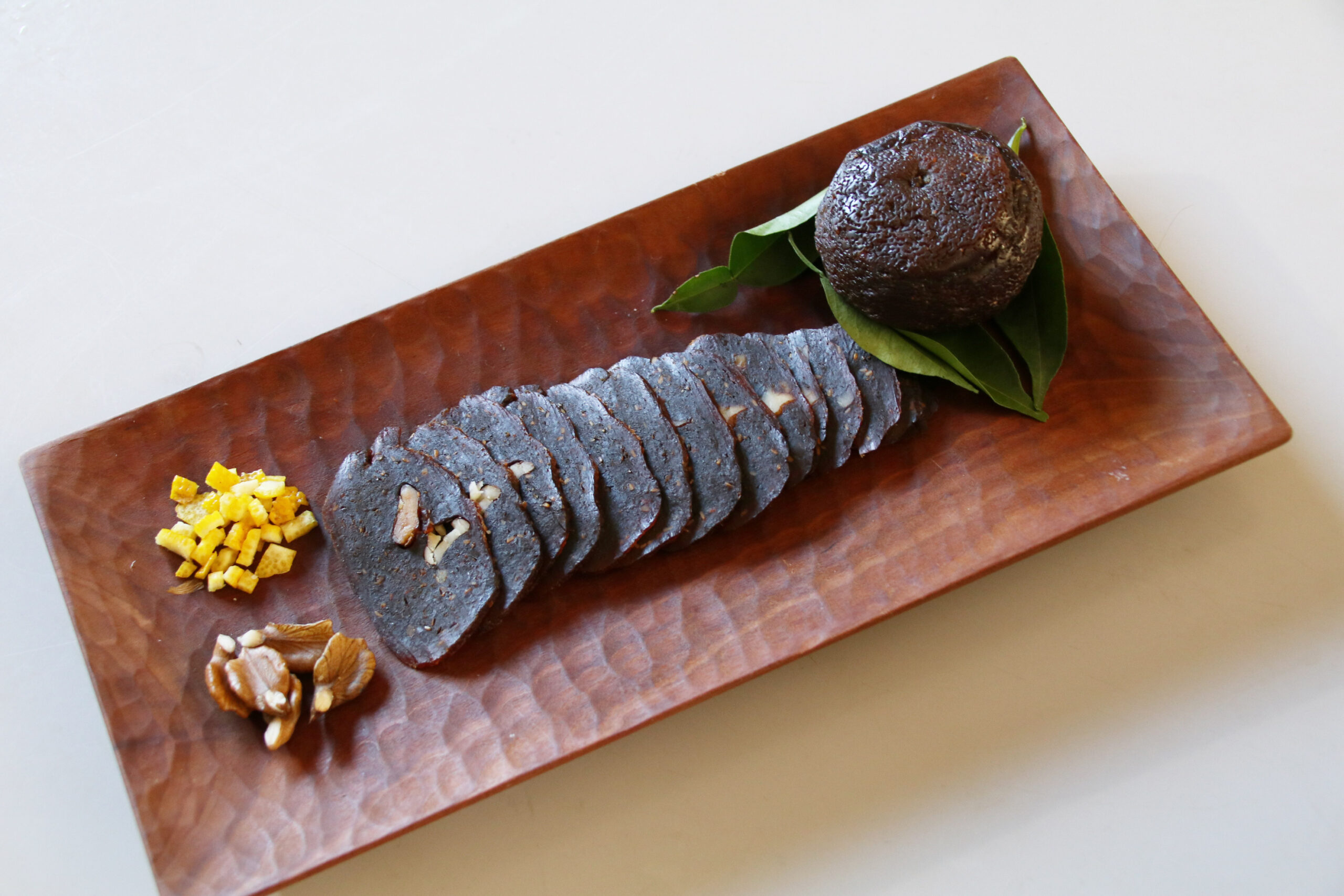
Yuzu Cooking (Yubeshi)
Yuzu is a fragrant citrus fruit that belongs to the Rutaceae family. Although Yuzu is a fruit, it is not suitable for eating raw. Therefore, we sometimes use them outside of the kitchen. For example, there is a custom of adding Yuzu to the bath during the winter to avoid catching a cold. Interestingly, it […]